

How College Coaching Changes Can Impact Recruiting | D3 Recruiting Guide
Learn how coaching changes can affect college sports recruiting, including offers, academic pre-reads, campus visits, and communication with new coaching staffs.
A college coach leaves. A new coach arrives. Suddenly, the recruiting process looks very different.
Coaching changes happen every summer across college sports.
And for high school athletes navigating the recruiting process, it can be confusing.
You may have already:
Sent film
Had conversations with a coach
Visited campus
Received an invitation to an elite camp
Completed an academic pre-read
Even received an offer
Then the entire coaching staff changes.
What happens next?
Want more content like this? Subscribe to our free weekly newsletter.
A Real D3 Recruiting Example
To protect the recruit and coaches involved, we've anonymized the schools – but this is based on three real coaching changes at the D3 level this summer and the experience of one of our 1:1 recruiting clients.
Here's what happened:
School A's coach left for School B.
That coach had already been recruiting a high school athlete and had expressed interest in her.
Previously, School B's coach left for School C - whose Coach had stepped down.
Now the athlete had gone from being recruited by one coach to potentially being evaluated by an entirely new staff…twice.
This is a great example of how college recruiting isn't always a linear process.
A coach changing jobs doesn't necessarily mean your opportunity disappears.
But it can mean you need to re-establish the relationship or re-iterate your interest in playing for them at the new school.
Here are examples of what recruits can do depending on what stage of the recruiting process they’re at with each coach or school.
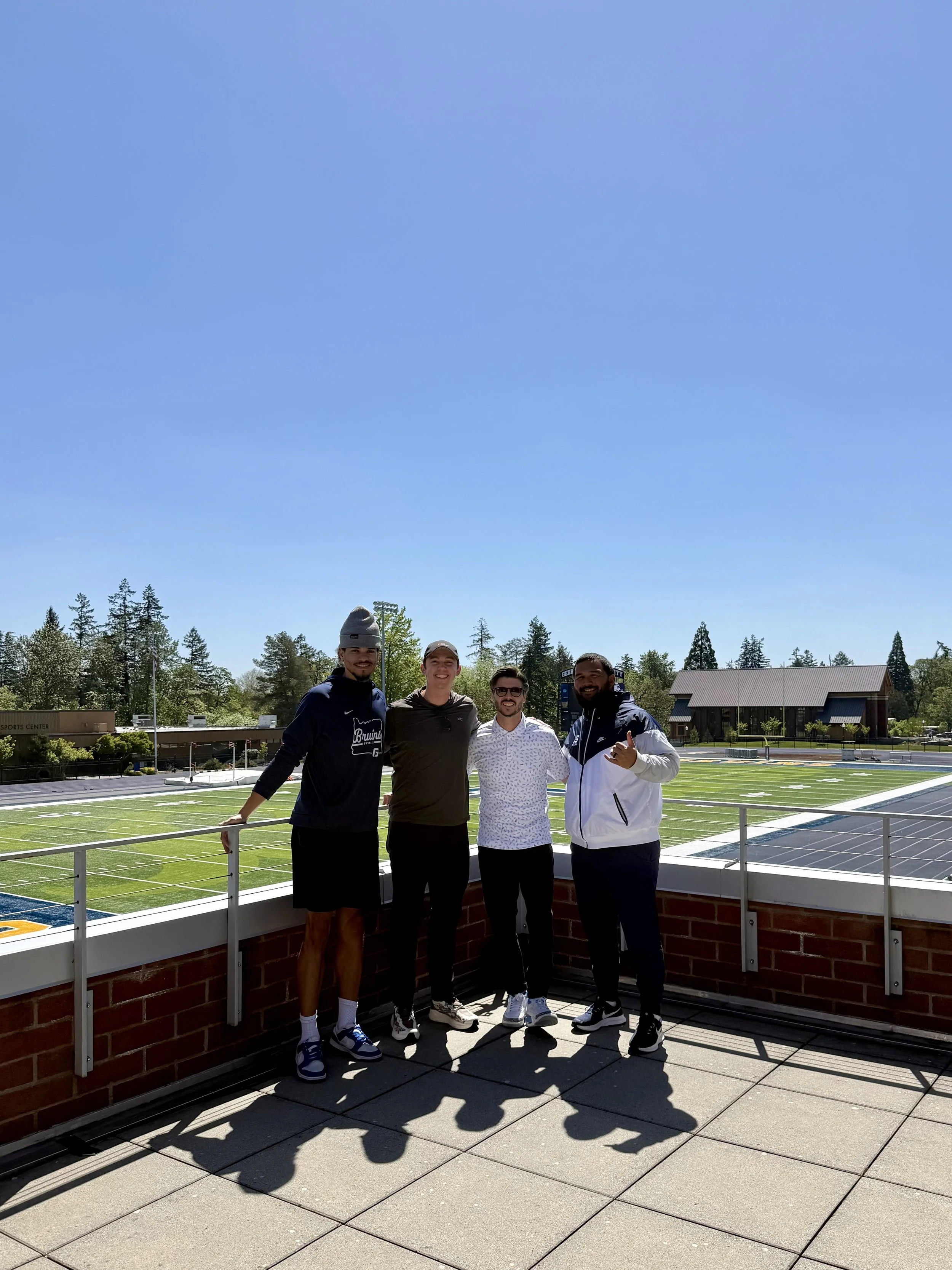
Visiting with the Football Coaching Staff at George Fox University in Oregon.
Need help with your recruiting process?
In order to determine if we can give you an assist, please complete our intake questionnaire and a member of our team will get back to you 🤝
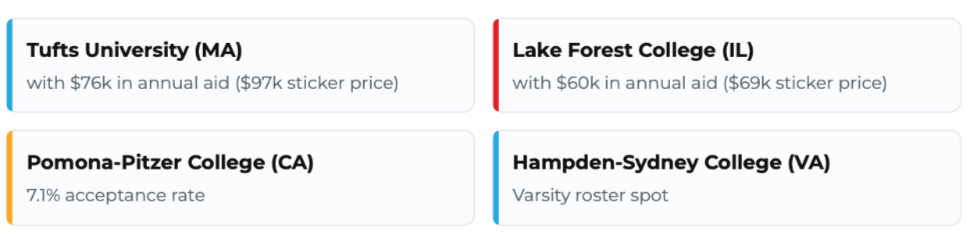
Recent 1:1 coaching client outcomes. 100% of the athletes that work with D3Direct have gone on to play college sports.
What Happens When a Coach Leaves?
The impact of a coaching change depends on how far along you are in the college sports recruiting process. Here are four different stages of the process and what to do at each one.
🟢 You've only exchanged a few emails
This is the least concerning scenario.
Your recruiting process probably wasn't dependent on one coach yet.
What to do: Introduce yourself to the new staff and restart the conversation. If you were already getting recruited by them at another school or they saw you at a camp, make sure to mention it to help remind them that they’re already familiar with your game.
🟡 You've visited or had serious conversations
This is where things get more complicated.
If it is a new coach, they may have different recruiting priorities, a different evaluation of your position, or a completely different roster outlook.
What to do: Don't assume the new coach knows anything about your previous conversations and interest in the school.
Send your information again and briefly explain where things stood with the previous staff. For our client, they already knew the new coach from a previous school, so we advised them to share the steps they’d taken at this school with the previous staff (visit, elite camp, pre-read, etc.).
🟠 You've completed an academic pre-read
This is important, but don't confuse an academic pre-read with an athletic commitment at the D3 level.
A pre-read generally tells the coaching staff whether the admissions department believes you are academically viable aka will you get into the school.
It doesn't guarantee an offer or a roster spot at the D3 level.
If the coach changes, the new staff may still need to evaluate you athletically. But if you already have a pre-read done, you won’t need to do it over again and your admissibility remains unchanged.
🔴 You've received an offer
Even here, honest communication matters.
A new coaching staff can change roster construction, recruiting priorities, scholarship strategy, or even the number of athletes they intend to bring in.
Don't panic. But don't assume everything stays the same, either.
Get clarity from the new staff by asking direct questions about where you stand on their recruiting board. Share that you had an offer from the previous staff and your interest in still attending the school.
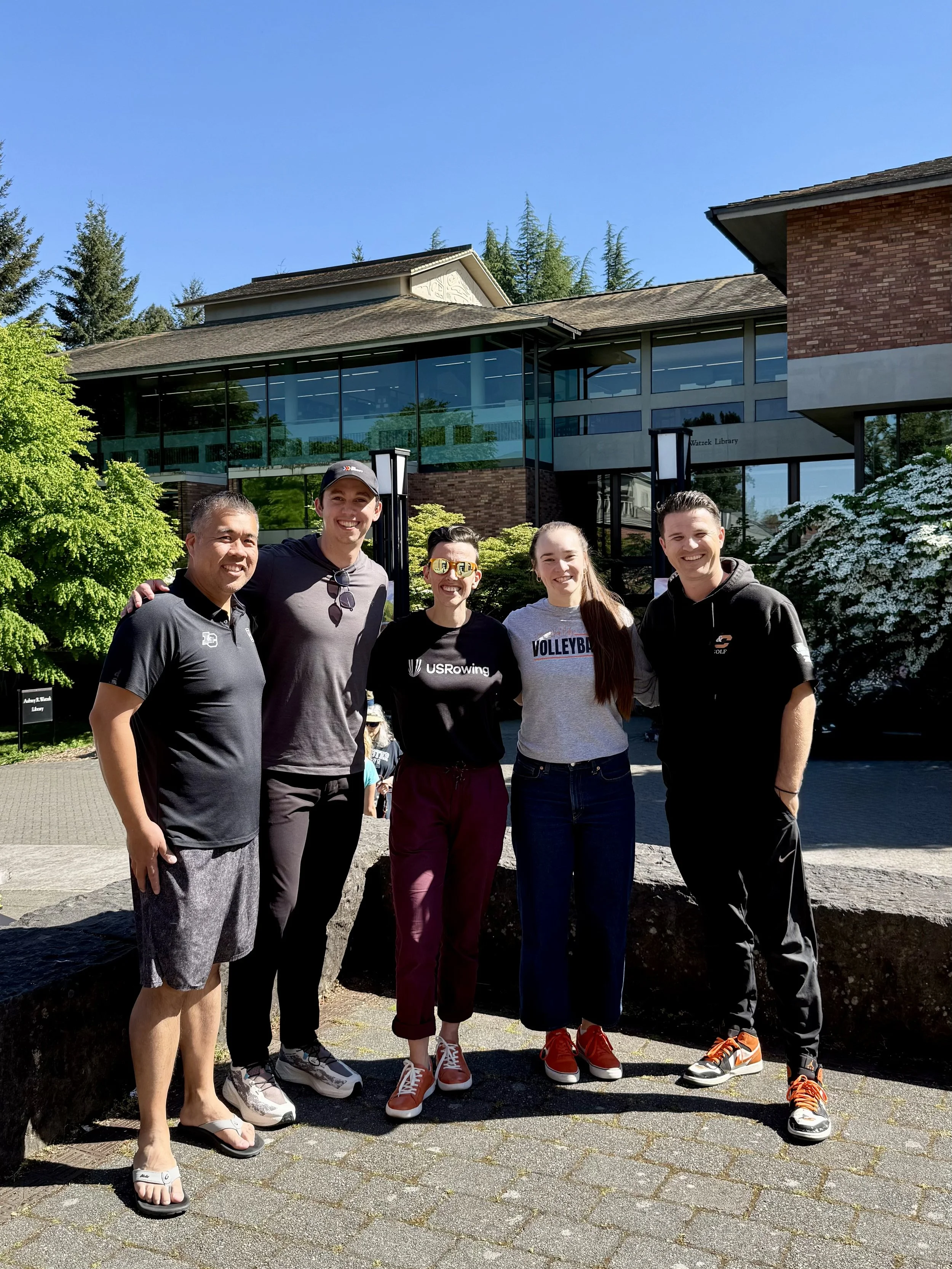
Touring the campus of Lewis & Clark College in Portland, OR with four of the school’s coaches.
What Should You Do If Your Recruiting Coach Leaves?
1. Find out who took over
Don't wait for someone to contact you. Check out the athletics website or social media accounts to look for news on who is filling the role. Then see if you can find their contact information from their previous school’s website or their social media accounts and proactively reach out.
2. Reach out quickly
A simple message works:
"I was previously in contact with Coach X and wanted to introduce myself. I remain very interested in School A and would love to connect with you about the program. Here are the steps I’ve already taken…”
3. Re-send your information
Include your:
Graduation year
Position/event
GPA
Film
Upcoming schedule
Relevant recruiting information
Make it easy for the new coach to evaluate you by adding in all vital information that they need to recruit you in the first email.
4. Explain where things stood
If you had a visit, pre-read, offer, or serious recruiting conversation, say so.
Don't assume the new coach has your file memorized. They’re likely evaluating hundreds of recruits in your class, so it never hurts to clearly share the details of your situation.
5. Keep your options open
This is perhaps the most important point.
Never build your entire recruiting plan around one coach.
Coaches change jobs.
Coaches retire.
Programs change direction.
Assistants become head coaches.
Head coaches become assistants.
Your recruiting strategy needs to survive those changes.
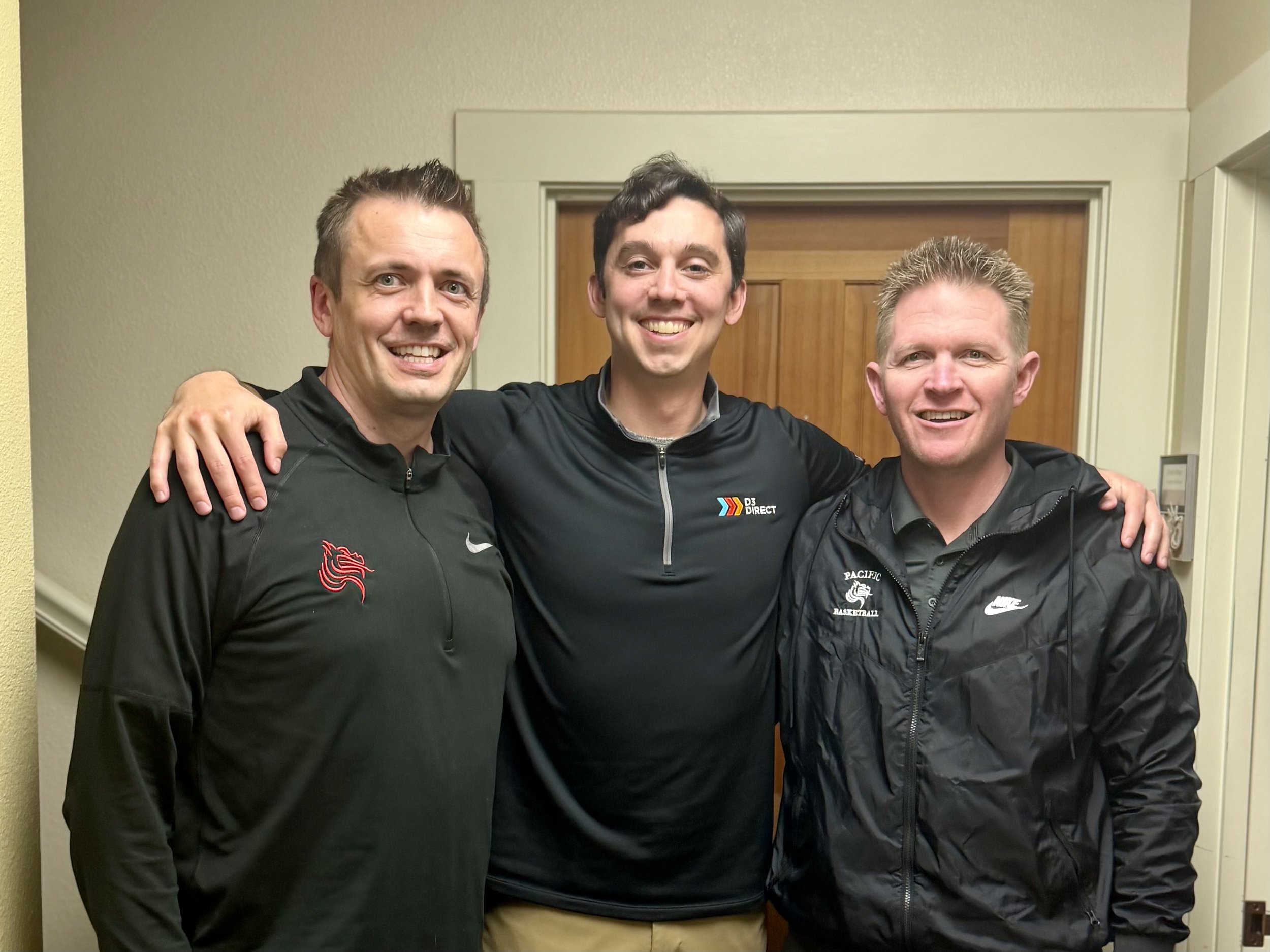
Meeting the Pacific University Men’s Basketball Coaching Staff in Oregon.
The Bigger Lesson
The summer is a particularly important time to monitor college coaching changes.
Staffs are being hired and fired at the D3 level. Assistants are getting promoted. Coaches are moving between programs – just like the example with our 1:1 client illustrates.
And those changes can directly affect recruiting.
If you're a rising senior, don't assume that the recruiting conversations you had in the spring will look the same in August.
Check in on the schools on your college list.
Check in with the coaching staffs.
And if someone new is now responsible for recruiting your position, get on their radar.
Your relationship with the program matters.
But your relationship with one individual coach shouldn't determine your entire recruiting future.
D3Direct Take: The best recruits don't just have a list of schools. They have a recruiting process that can adapt when things change.