

How to Research D3 Schools
10 factors to consider when building your college list
For most recruits, the college search process starts with athletics.
But in our experience the athletes who end up happiest with their decision usually think much bigger than just playing time, facilities, or conference standings.
As a recruit, you’re choosing where you’ll live, study, compete, and grow for the next four years. That decision deserves a full-picture evaluation - well beyond your sport.
Here are 10 factors every recruit should seriously consider before committing to a school.
This post originally went out to our newsletter subscribers, join for free today!
1. Tuition Price
College sticker prices can be intimidating.
Many families see a $70k, $80k, or $90k tuition number and immediately cross a school off the list, especially at the D3 level where athletic scholarships are not offered. Let us be clear…
That is completely understandable.
But one of the biggest mistakes recruits make is assuming the published sticker price is what they’ll actually pay.
Between academic merit aid, need-based aid, grants, honors programs, and outside scholarships, the real cost can look dramatically different from the list price.
A school that seems “too expensive” upfront may ultimately cost less than a public university.
The key is understanding the actual financial package, not just the headline number.
Here’s an example of a 1:1 client we helped evaluate offers from different schools and ultimately secure an affordable tuition.
2. Campus Experience
You can read rankings, scroll Reddit threads, or watch campus tour videos - but none of that replaces actually stepping foot on campus.
The feel of a school matters more than most recruits realize. You’re committing to spending four years there, not just four basketball or soccer seasons.
Here are some questions worth asking yourself:
Does the campus feel alive?
Can you picture yourself there on a random Tuesday?
Do students seem happy?
Is there energy around campus?
Does the town around the school fit your personality?
What is the student/professor dynamic like?
Official and unofficial visits are invaluable because they help you answer one simple question: Can I actually see myself living here?
Here’s a cool example from our recent visit to Willamette University in Salem, Oregon: One of their newer academic buildings has study areas for students that are right outside of professors’ offices. Mike Lenahan, the men’s basketball coach, who was also our tour guide mentioned that it was a great way to get instruction.

Work areas just outside of professor offices at Willamette University.
Need Help with Your Recruiting Process?
Check out D3 Mentor Match, where you can connect and learn from current D3 athletes at schools on your target list - like WashU, NYU, MIT, Swarthmore, and many more.
Or work directly with one of D3Direct’s expert coaches. Complete the intake form to see if we can give you an assist.
3. School Size
School size shapes your entire college experience.
At a smaller D3 school, you may get:
Smaller class sizes
Closer relationships with professors
Easier access to leadership opportunities
A tighter-knit campus community
At a larger university, you may get:
More majors and resources
Bigger social scenes
More clubs and extracurriculars
Larger alumni networks
Neither is automatically better.
Some athletes thrive in intimate environments where everyone knows each other. Others prefer larger campuses with more independence and variety.
Know which environment energizes you and then build those schools into your college list.

The dining hall at George Fox University in Oregon.
4. Location of the School
Location impacts the student-athlete experience far more than just weather.
It will impact:
Travel costs - think moving in and out of school every year
How often family can visit - can they watch your games?
Internship access - what jobs are around you?
Weekend activities - on or off campus?
Lifestyle - what do you want outside of school?
Some recruits want a traditional college town and others want access to a major city.
One underrated factor in Division III recruiting is the geographic distribution of schools, which opens up numerous opportunities for both of these.
For example, there’s a major “D3 gap” in parts of the Mountain West. Outside of pockets in Colorado and Texas, Division III opportunities become much more limited compared to the Northeast or Midwest.
That means many recruits from western states may need to decide whether they’re comfortable attending school far from home.
Here’s a picture of the Willamette campus located near downtown Salem, OR. As the state’s capital Salem has a great job scene, especially if you’re thinking about getting into state or national government.
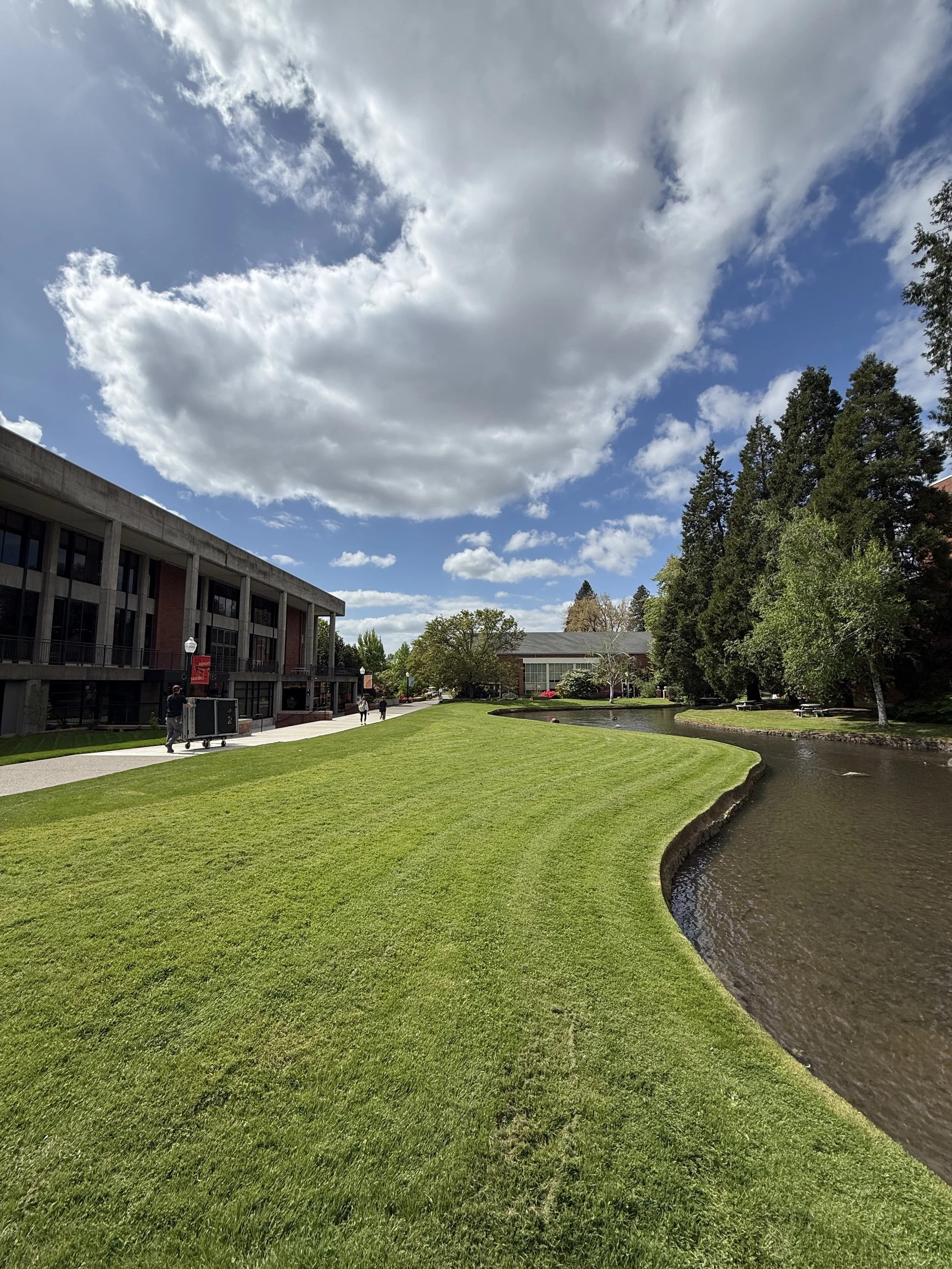
The campus at Willamette University in Salem, OR
5. Surrounding Area
As we alluded to above, the campus itself is only part of the equation.
What’s outside the boundaries of your school matters too and will greatly impact your four years in college.
Ask yourself:
Is there stuff to do off campus?
Are there restaurants, coffee shops, and stores nearby?
Is the area walkable?
Does the town feel safe?
Would you enjoy being there during the offseason?
Some schools are deeply integrated into vibrant communities. Others will feel isolated because they are in more rural areas.
Neither is necessarily better, but recruits should understand the lifestyle they’re signing up for before they step foot on campus.
6. Party Scene
Every school has a social culture.
Some campuses revolve heavily around Greek life and parties. Others have quieter social scenes built around clubs, athletics, outdoor activities, or campus events. On some D3 campuses, athlete houses are the central party spots. Going on a campus visit is the best way to see what the reality is at schools on your list.
If you want a highly social campus, a quiet school may feel isolating. If you prefer low-key environments, a heavy party culture may become exhausting.
Athletes should also think about how the social scene aligns with their goals and priorities.
The right fit is usually the environment where you can be yourself without feeling pressured to change.
7. Academic Rigor
Athletics eventually end, but your degree keeps working for you long afterwards.
Every recruit should understand the academic expectations of the schools they’re considering.
The classic line is “think 40 years not 4 years.” Here are a few questions to consider when you’re doing that:
How challenging are the classes?
What is the average class workload?
How supportive are professors toward athletes?
Are tutoring and academic resources available?
Can you realistically balance athletics and academics there?
Some athletes love highly rigorous academic environments. Others perform better at schools with more flexibility. You can learn a lot from the current athletes on team’s you are getting recruited by to get authentic answers to the questions above.
8. Social, Racial, and Economic Diversity
Campus diversity shapes perspectives, conversations, and community.
For some recruits, attending a school with students from many different backgrounds is extremely important. Others may prioritize geographic diversity, international representation, or socioeconomic diversity.
This isn’t about checking a box, it’s about understanding the environment you’ll live in every day.
Research:
Student demographics
Geographic makeup
Campus inclusion efforts
Student organizations
Retention and graduation rates
And during visits, pay attention to what you actually observe on campus.
9. Career Earning Potential
College is both an educational and financial investment.
Some schools consistently produce strong outcomes in:
Graduate school placement
Job placement
Internship opportunities
Alumni networking
Starting salaries
That doesn’t mean you should choose a school solely based on projected income. But recruits should absolutely think about the long-term return on investment.
Questions worth researching:
What companies recruit there?
How active is the alumni network?
What percentage of graduates are employed after graduation?
Where do former athletes end up working?
The best athletic fit in the world becomes less meaningful if the school doesn’t support your long-term goals.
10. Athletics
Yes, athletics still matter.
You should absolutely evaluate:
Coaching staff
Team culture
Playing style
Facilities
Development opportunities
Conference strength
Playing time potential
But the biggest mistake recruits make is allowing athletics to outweigh everything else.
An injury, coaching change, or burnout can completely reshape your athletic experience overnight.
If basketball, soccer, lacrosse, baseball, etc. disappeared tomorrow, would you still want to attend that school?
That’s one of the most important questions any recruit can ask during their college search process.
Final Thought
The “best” school is rarely the one with the nicest locker room or the flashiest social media commitment graphics.
It’s the place where:
You feel comfortable
You can grow academically and socially
Your family can realistically afford it
Your athletic goals align with the program
And you can picture yourself being happy for four years
Recruiting is about more than finding a roster spot.
It’s about finding the right life fit.