

She Almost Quit Before Her Freshman Season: Linfield Volleyball Coach Jenna Street on Recruiting, Burnout, and What Makes D3 Different
Linfield University head volleyball coach Jenna Street nearly walked away from the sport before ever playing in college. Now leading a program coming off its best season since 2013, she opens up about her own D3 volleyball recruiting story, why she prioritizes multi-sport athletes, and why she believes D3's four-year commitment model is worth protecting.
Listen to Jenna’s Episode of the Student Athlete Sessions (Apple Podcasts)
Jenna Street's coaching career almost never happened, because her playing career almost never happened. As a high school senior in Oregon with offers from D2 programs, Street told her parents in the spring of her senior year that she was done with volleyball.
They gave her an ultimatum instead: Take an academic scholarship to Cal Lutheran University, try playing for one more year, and if she still wanted to quit after that, she could walk away with her scholarship intact.
But she never stopped playing. Street went on to start as a freshman outside hitter, helped contribute to Cal Lutheran’s run to the 2006 Elite Eight, and built a four-year career that eventually led her into coaching - first at the club level with her own Oregon Premier Volleyball program, then at the high school level, and now as head coach at Linfield University, where her team just posted its best season since 2013 with two All-Conference honorees.
In a conversation on the Student Athlete Sessions podcast, Street shared the recruiting near-miss that shaped her coaching philosophy, why she believes strongly in multi-sport athletes, and what she thinks is at stake as D1 and D2 move toward five-year eligibility models that D3 has not adopted.
The Recruiting Story That Almost Ended Before It Started
Coach Street's recruiting process happened in an era before Instagram highlight reels. In fact, her father hired someone to convert the game film he had taped into a DVD Jenna could mail to college coaches. She had athletic scholarship offers, including a verbal 40% scholarship from Eastern Washington and a roughly 50% offer from Bryant University. But by the spring of her senior year, after opting out of her final club season, she told her parents she was done with volleyball altogether.
Part of what drove that decision, she said, was a conversation with an older cousin who had played Division I volleyball. "She said, do not play D1," Street recalled. "She said it was her whole life, and that she was kind of miserable... to a young 15, 16-year-old at the time, that was really…I was really taken aback by that." The warning scared her away from the level of commitment D1 volleyball demanded, even as her own recruiting process continued.
Her parents' response was simple but firm: Take the D3 academic scholarship to Cal Lutheran, play one more season, and reassess. "They kind of forced me into it, to be honest with you," Street said. That one condition - protecting her academic scholarship regardless of whether she kept playing - turned out to be the deciding factor. "It creates a much safer... safety net," she explained, "if you decide you really don't want to play anymore, that money doesn't go anywhere."
The Biggest Misconception About D3 Financial Aid
Coach Street's own experience illustrates a point she now emphasizes constantly with recruits and their families: D3 academic aid can rival D2 athletic scholarships in actual dollar value, without disappearing if an athlete stops playing. Her academic package at Cal Lutheran, tied to her 3.8 GPA and Presidential Scholarship eligibility, landed in a similar 40–50% range to the athletic offers she'd received at the D2 level.
"That's probably one of the largest misconceptions," Jenna said. "If [an athlete's] focus is D1 and they don't think their grades matter as much, they're going to pigeonhole themselves into really needing an athletic scholarship." Strong academics, she argues, open doors to merit aid that functions like a scholarship, but isn't tied to playing time, health, or eligibility.
Why She Wants to Hear from the Athlete, Not the Parent
Coach Street's father led nearly all of her own recruiting communication with coaches, something she says shaped how she now evaluates recruits as a coach herself. "I really want to hear from the kids," she said. "I don't really remember talking to the coaches very much myself, which is funny, because I really expect that of the athletes that I'm recruiting."
When a parent dominates a recruiting conversation, Coach Street says it registers as a caution sign. It is not disqualifying, but definitely worth noting. "It's almost like a little yellow flag to me... is this the parent that's wanting this, or is the athlete wanting this?" She connects self-advocacy directly to college readiness: "You can't have your parents emailing the professors and emailing your coach all the time, so it just shows that they're ready for that."
The Case for Multi-Sport Athletes
As both a college coach and the founder of Oregon Premier Volleyball Club, Coach Street has a clear stance on early athletic specialization: She's against it. "My favorite athletes to recruit as a college coach are multi-sport athletes," she said. "Some of my best kids on my team played three sports through high school."
She points to both physical and psychological benefits. Multi-sport athletes, in her experience, avoid the overuse injuries common among single-sport specialists, while also developing broader perspective from multiple coaches, teammates, and competitive environments. "They're more grounded," she said. "They've learned to work with different personalities." At her own club, Street tries to practice what she preaches by accommodating athletes who want to play multiple sports, even at the most competitive travel levels.
Building the Whole Athlete, Not Just the Player
Coach Street's approach extends beyond the court. With a master's background in psychology and counseling from Azusa Pacific University, she emphasizes the mental side of the game as much as the physical. At Oregon Premier, that means strength and conditioning support alongside deliberate conversations about mindset, and a philosophy that success isn't defined solely by whether an athlete ends up playing in college.
"Our main goal as D3 coaches is to produce outstanding citizens," Coach Street said. "We're not trying to necessarily create pro athletes... we really care about the character that we're building in our athletes, and we care about them as people."
Why Linfield? Why Oregon?
Coach Street didn't shy away from selling her program's setting, either. Linfield's home of McMinnville, Oregon, she describes as looking "like it's out of a Hallmark movie," with strong community support for athletics and a campus she calls "just as beautiful in person" as it looks online. For outdoor-minded recruits, the appeal goes further: hiking, biking, skiing, and the Oregon coast are all within an hour of campus.
"Oregon is unique," Coach Street said. "If you are someone that loves the outdoors... we have all of that here." It's part of why, she notes, Linfield attracts athletes from as far away as Hawaii and the East Coast, drawn in part by the state's milder winters.
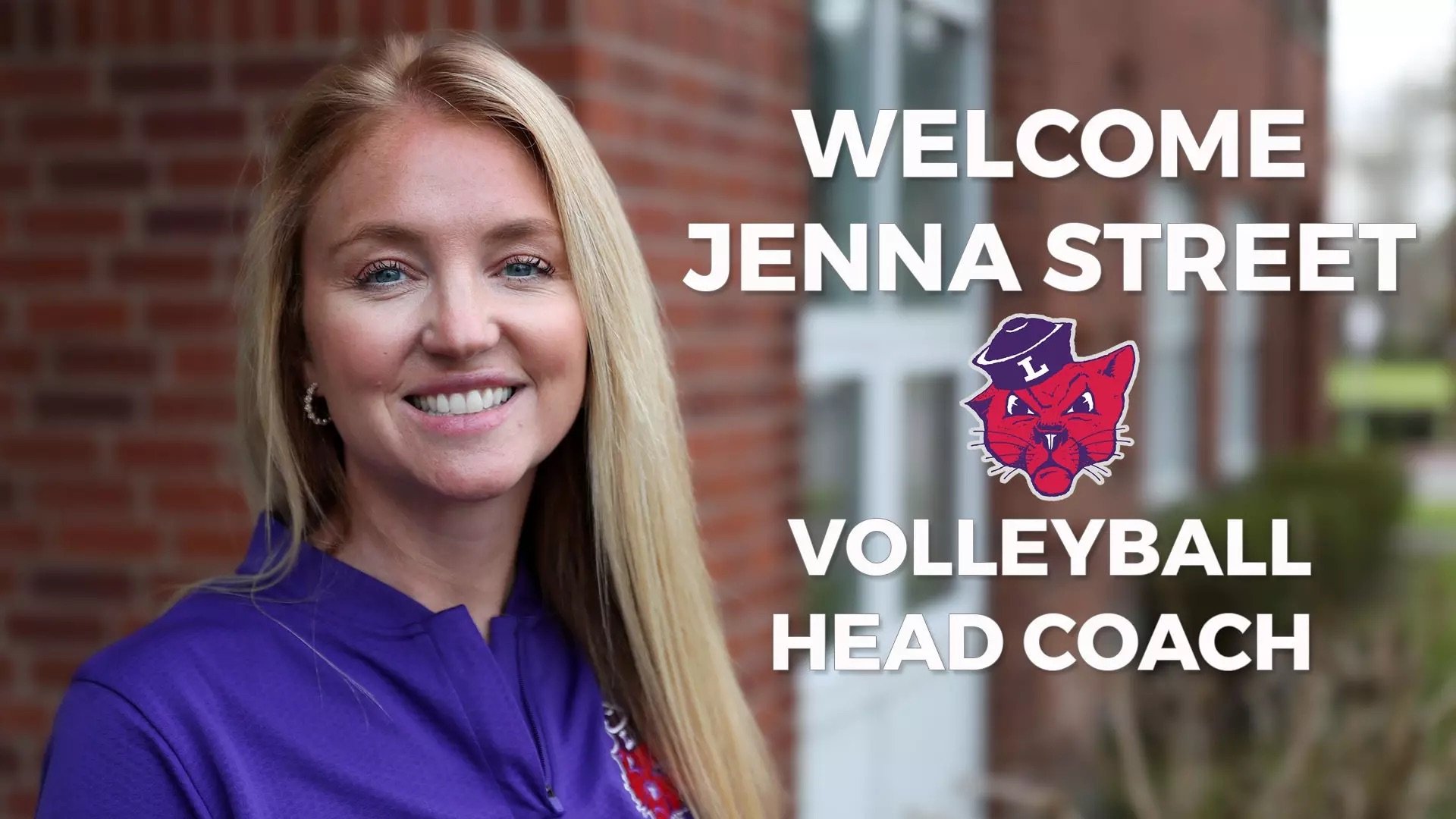
Jenna Street was hired in 2025 to lead Linfield’s Volleyball Team (Image via Linfield Athletics)
Advice to Her 18-Year-Old Self
Asked what she'd tell her younger self; Coach Street's answer circled back to the season she almost walked away from. "I was a little too focused on life after college," she said. "I was not savoring the opportunity of playing a sport in college... I would have told myself to embrace it, and really be present for those four years, and be grateful for it."
It's advice she now tries to pass on to her own players daily, including a Linfield roster she describes as deeply motivated heading into this season, powered by a senior class with high expectations. "They deserve to just have the best season ever," she said, "because they've just put in the work."
The Bigger Picture
Coach Street's path, from a reluctant recruit who nearly quit before her college career began, now coaching a program on the rise reinforces a theme that runs through much of D3 athletics: the level's value isn't always obvious from the outside, and its financial and developmental benefits often get overshadowed by assumptions about what is possible – even without an athletic scholarship. For recruits weighing a D3 offer against a partial D2 scholarship or wondering whether stepping back from year-round specialization will hurt their chances, Street's own story - and her coaching philosophy - suggest the opposite may be true.