

These D3 Schools Are in Financial Trouble
Why recruits and current students should start paying attention to college finances
It’s no secret that some D3 schools are in trouble financially.
We’ve seen numerous school closures, like Anna Maria and Valley Forge, in the past few months, with signs that others may be following in the next few years.
Forbes recently published their annual list of College Financial Grades, to “assesses the financial health of more than 900 private not-for-profit colleges with enrollment of more than 500 students.”
Here’s the link to the full article if you’d like to read more about their process and what each of these grades means exactly.
In today’s post we’ll be pulling out the Top 20 D3 schools from the list (aka the “Healthiest” D3’s) as well as the 20 from the bottom (aka the “Least healthy” D3’s) to bring you more context.
Thanks for being a valued reader of the D3Direct Newsletter! If you aren’t subscribed yet, join free today (subscribe).
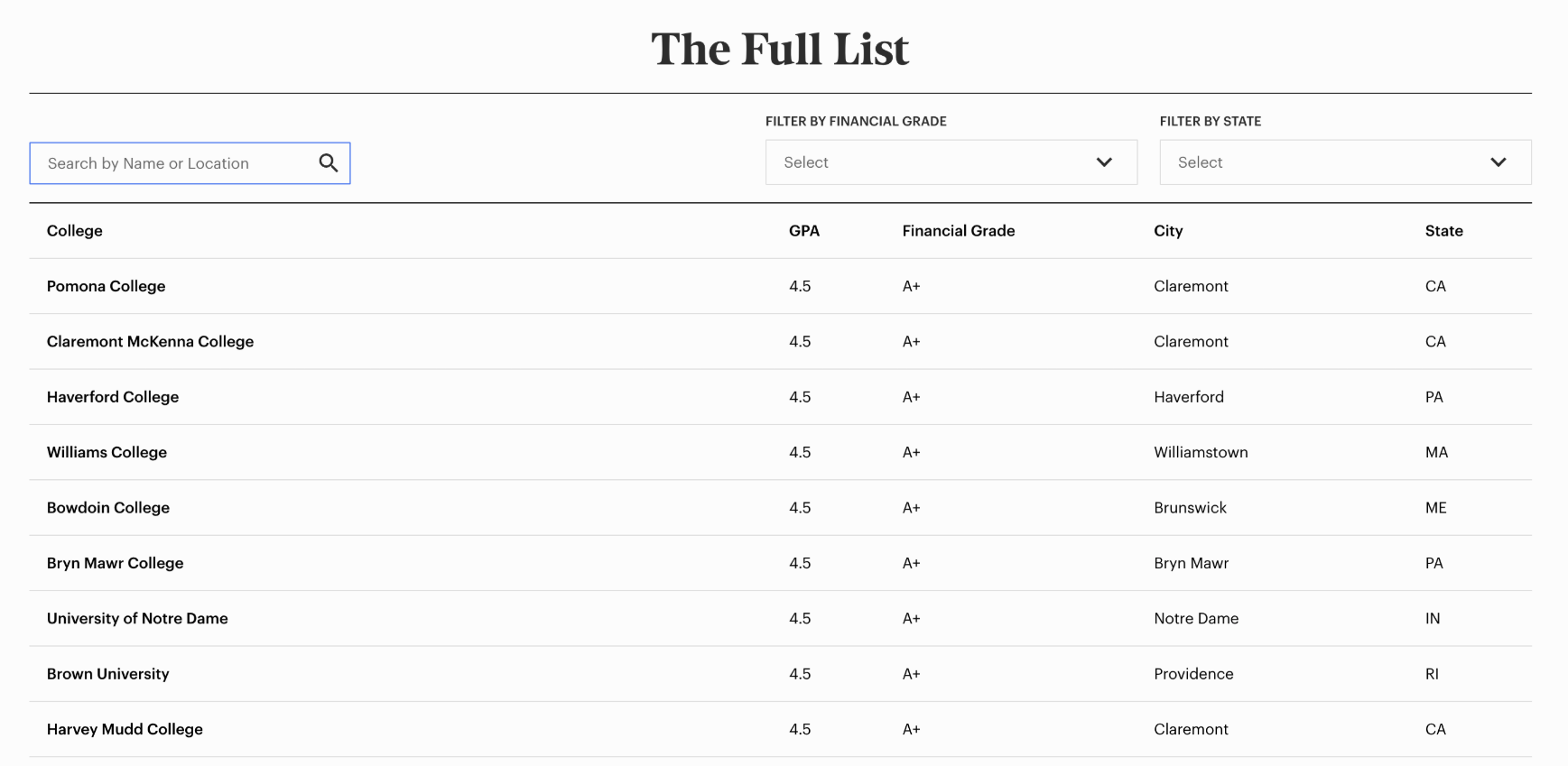
The top of the Forbes College Financial Health Rankings.
The 20 Healthiest D3 Schools Financially
Per Forbes’ ranking, here are the Top 20 Healthiest D3 Schools:
Pomona College (A+)
Claremont McKenna College (A+)
Haverford College (A+)
Williams College (A+)
Bowdoin College (A+)
Bryn Mawr College (A+)
Harvey Mudd College (A+)
Amherst College (A+)
Colby College (A+)
Wellesley College (A+)
Carnegie Mellon University (A+)
Wabash College (A+)
MIT (A+)
Scripps College (A+)
Hamilton College (A+)
Wesleyan University (A+)
Carleton College (A+)
St. Olaf College (A+)
DePauw College (A+)
Sewanee (University of the South) (A+)
Note: Numerous other D3’s ranked at the A+ level. Again, we recommend checking out the full list from Forbes for a specific D3 school’s financial grade.
D3Direct Takeaway: With any school in the Top 20 or that earned an A+ ranking, you will not have to worry about the school’s survival. This means they are on solid financial footing, likely with a large endowment, that will help them navigate any future financial trouble. Even though they have a lot of money however does not mean they can offer athletic scholarships. D3’s across the entire level are limited to provide financial aid based on demonstrated financial need and academic merit.
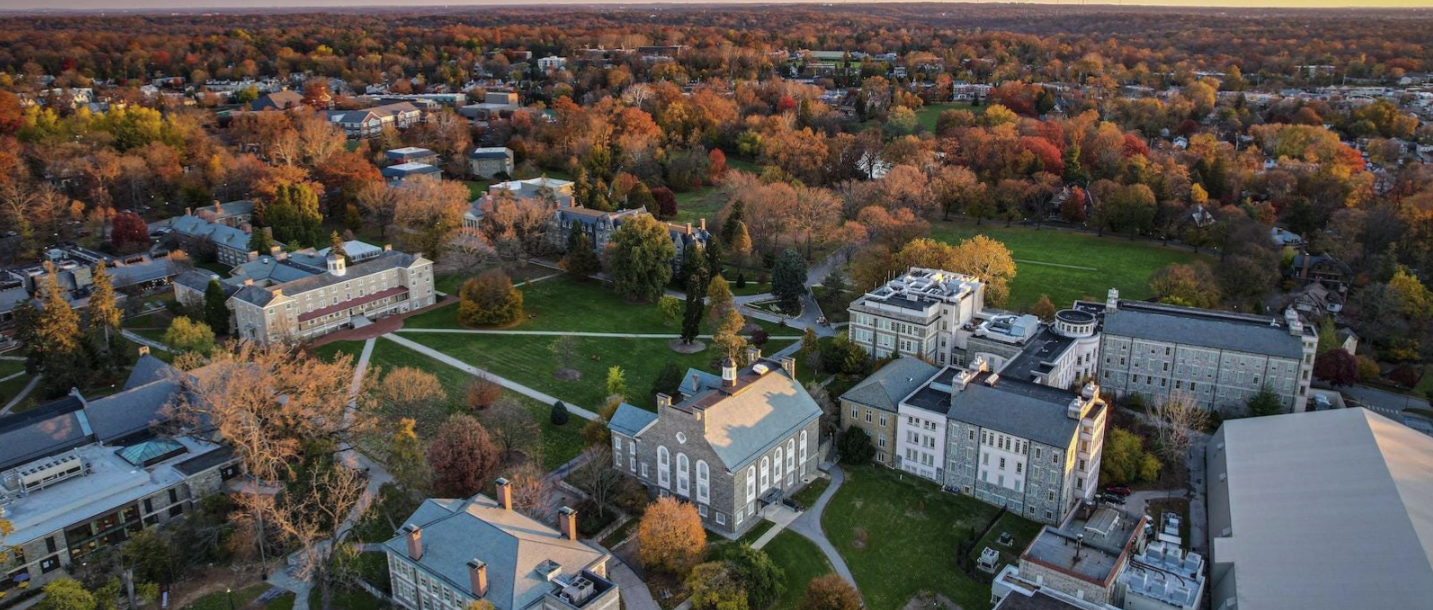
The campus of Haverford College (Image via Haverford)
Need help with your recruiting process?
In order to determine if we can give you an assist, please complete our intake questionnaire and a member of our team will get back to you 🤝
100% of the athletes that work with D3Direct 1:1 have gone on to play college sports at the D3 level - often with strong financial aid packages that we’ve helped them negotiate. Here are some recent outcomes:
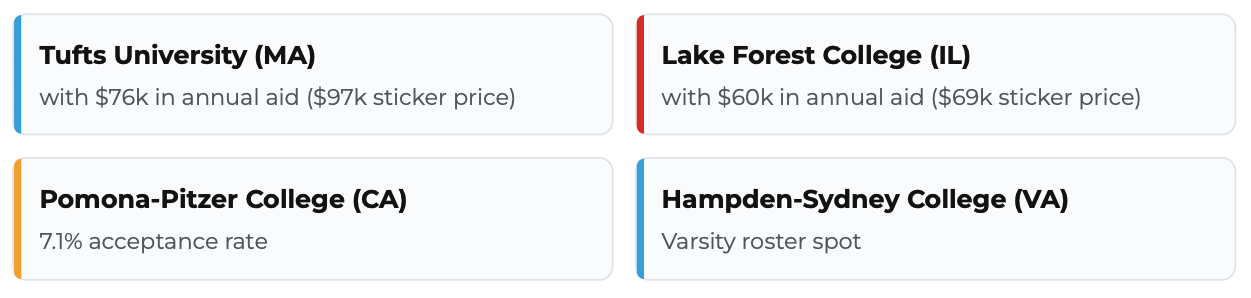
Recent D3Direct client results. Learn more today about how we can help you accelerate your recruiting process.
The 20 Least Healthy D3 Schools Financially
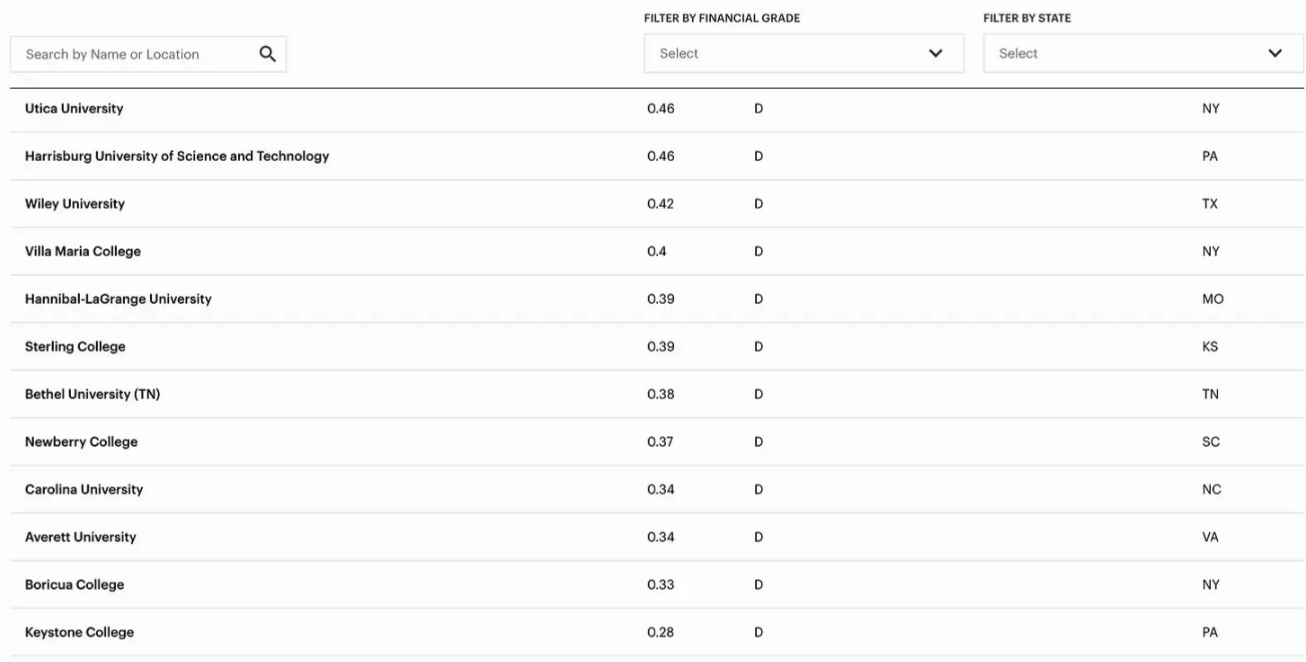
The bottom of the Forbes College Financial Health Rankings
Per Forbes’ ranking, here are the 20 Least Healthy D3 Schools Financially:
Keystone College (D)
Averett University (D)
Utica University (D)
University of Valley Forge (D) (CLOSED)
Anna Maria College (D) (CLOSED)
Alverno College (D)
Mary Baldwin University (D)
The University of Olivet (D)
Albright College (D)
St. Joseph’s College of Maine (D)
Greensboro College (D)
La Roche University (D)
Lakeland University (D)
Delaware Valley University (D)
Drew University (D)
Neumann University (D)
Hilbert College (D)
Belhaven University (D)
Augsburg University (D)
Rosemont College (D) (MERGED WITH VILLANOVA)
D3Direct Takeaway: This list was published in May 2026 and already we’re seeing schools fall victim to closure or having to merge with other institutions just to stay alive. Given that numbers 4 and 5 closed, we would pay special attention to the Top 3 from this list (Keystone, Averett, and Utica) in the year to come.
If you are being recruited by any of these schools, ask direct questions of the coaches to gauge the school’s financial viability. It might be uncomfortable, but it is better to ask hard questions than run into hard truths once you step on campus.
Thanks for Reading!
If you enjoyed today’s post, remember to subscribe and share it with someone who you think might benefit.